
What You'll Learn
- Why leadership buy-in is the starting point for any meaningful organic culture
- How to train staff on the “why” behind organic requirements, not just the “what”
- What it means to give your organic compliance team real authority, and why it matters for fraud prevention
- How to weave organic compliance into daily operations so it doesn’t only come up at inspection time
- How a “speak-up” culture protects your certification
For many handlers, their organic certification represents a bigger mission that unites their company. For the handlers who have made organic integrity part of their company culture, all staff understand and feel good about the company’s approach to organic production. They understand how their facility is an important part of the bigger picture of organic, including farmers, farm families, rural communities, and the over 200 million acres of certified organic farmland worldwide.1
All employees should understand organic production as much bigger than an ipad, scanner, and an audit trail. By certifying organic, your business is a crucial part of organic agriculture. The daily work of the employees at your operation supports the customers who want to feed their families healthy food, and the farmers and communities that grow the food in ways that benefit them and regenerate the land. That bigger picture is what the binder, and the audit trail, and the employee training represent. And it’s a meaningful perk of working somewhere, to be part of a wider positive impact on the world.
Organic Culture
The best intentions mean little without follow-through. As you understand organic as greater than just ticking boxes on a checklist, you’ll see that systems are only as good as the people using them — and people are only as good as the training and accountability leadership provides.
We all do our tasks better when we understand the particular purpose and how it fits into the bigger picture. We keep the machinery clean so that we produce a safe, quality, organic product that we would want in our own homes.
An organic culture calls for everyone to understand the values of organic. And from there each staff person in their own roles can do their part to support organic integrity. Companies who have an organic culture don’t see organic integrity as just the responsibility of the Quality Assurance (QA) manager; rather, it is a shared mindset woven into the daily work of everyone on every level of the org chart, from leadership to frontline staff
An organic culture is also reflected in how a company understands their Organic System Plan (OSP). Treat your OSP as a living document that can be improved and that reflects the continuous conversation between handler and certifier.2
A Culture of Quality
Organic integrity, at its core, is a culture of quality across an entire supply chain. Many handlers see organic as a mindset that supports their values, improves profitability, and gives their team another way to understand continuous improvement. Companies already want to build a team that believes in creating quality products, and you can use that momentum and translate that culture towards organic compliance.
Experienced handlers find that when their team has an organic culture, a team invested in doing things right, and trained in how to do it, they will:
- Keep accurate records
- Reject noncompliant ingredients
- Flag problems and concerns
- Maintain an organic facility
Your systems are only as good as the person least likely to enact them … I think an organic culture is just a culture of quality … You don’t want anything going into a package that wasn’t intended for that package … organic certification is an awesome path, but only if we steward it with that respect.
Leadership & Commitment
A culture of organic integrity sets the tone from the top down. If management treats organic recordkeeping as an annoying burden, the staff will often view it similarly. Organic handlers do best when leadership not only understands and buys into the bigger picture of organic, but then also communicates that mission and those values to employees. And, just like instilling other mission-critical values, leaders must allocate the necessary resources in time, money, and personnel towards building an organic culture.
What helps us maintain our integrity is that we have buy-in from everyone, from the ground level up to our CEO and our executives. They’re all here to support a mission.
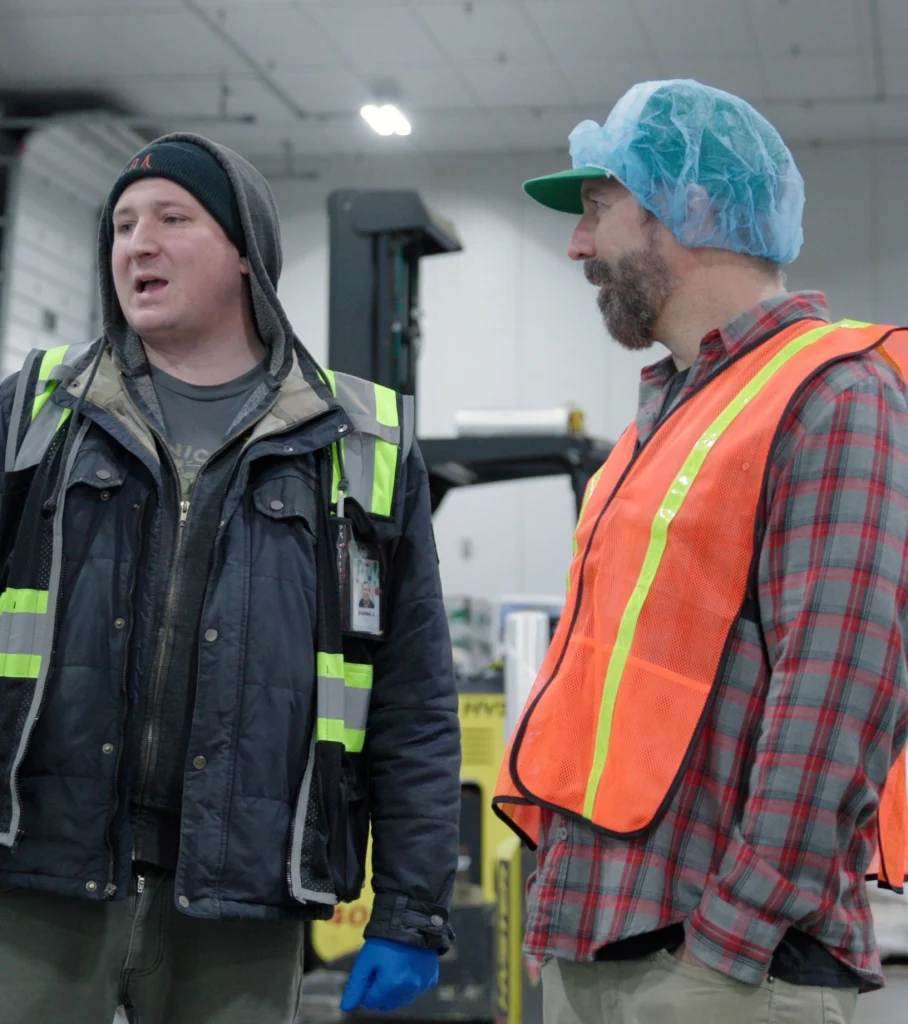
Many organic handlers find success by identifying and empowering an organic compliance team, because when everyone is in charge, no one takes charge. You want a single person or group of people to be responsible for organic compliance, and to give them actual functional authority to prevent noncompliances and fraud.3 The organic compliance lead should be trained and empowered to do things like:
- Halt purchases from a particular supplier
- Reject shipments
- Alter production lines
- Train staff on organic requirements
- Communicate with the organic certifier
Having a dedicated person for organic compliance who has the authority to communicate problems internally [is key]. . . I’ve seen fraud cases and in organizations of size or organizations with layers, when the person who’s in charge of organic compliance does not have authority to make adjustments to the system, there’s a lot more opportunity for there to be problems in certification including and up to fraud.
Staff Training
In order to get employees to buy into an organic culture, you have to help them understand organic values, both the big picture, as well as how their specific tasks support those values. When staff understand that their vigilance and signature on a logbook protects farmers, the environment, and consumer trust, compliance stops being a burden and becomes a point of pride. In companies with an organic culture:
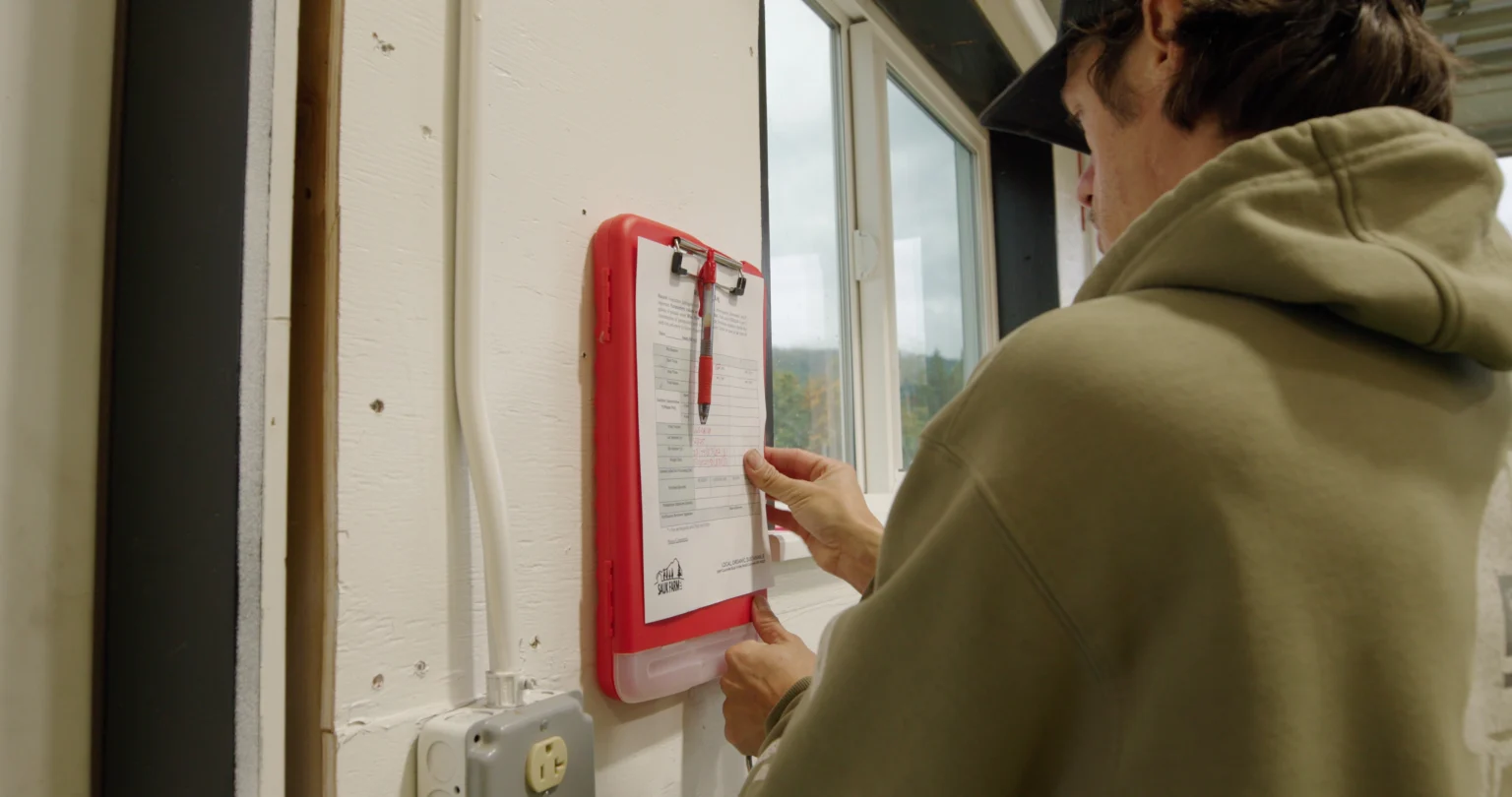
Effective training doesn’t just explain what the employee should do, like signing a purge logbook or evaluating the Bill of Lading of goods at delivery.
It also explains why they are doing it, to ensure we are not commingling our conventional product with organic or to be sure that the products we are accepting are what we ordered, and that organic integrity has not been broken during transport.
Training all new employees is very important. So what we do as part of the onboarding process is we make sure everybody gets time to sit down with our QA team and really understands what organic means, what it is, and how we become compliant.
The Organic Compliance Elevator Pitch
You train your employees, but how do you know if you are doing a good job communicating? After training on organic from the QA leader, challenge your employees to deliver a 60-second explanation of why organic matters at their facility. They can start with the big picture or small, and explain why organic matters to the world, to the land, to farmers, to your customers, to them, and what they do day to day in their job to be part of those values and follow the regulations.
If there’s a new employee who needs just the elevator pitch about what is organic and why do we do it, [it’s that] our factory, our product is regulated by federal regulations … Everybody in the factory has to meet certain standards. We have to do things a certain way … What it means for you is that you are familiar with all of our internal procedures that maintain our compliance … and being extremely intentional in every action.
Visual and Accessible Training
Reminders are helpful for all of us, and there are a few practices in signage that make signs more clear:
- Standard operating procedures (SOPs) should be visually engaging and translated into the primary languages of the staff.
- Understand how your staff understand things, language, and even idioms, etc.
- Use photos comparing allowed and prohibited practices to bridge any language or reading barriers.
One strategy I’ve seen clients implement that has helped ease the organic certification process is color coding … Making sure that your forms are in the language of the people who are going to be using them is a really important thing to do. And then also using color coding. So, for example, using green on all the forms that are for organic production batches and then making sure that there’s green stickers on the organic ingredients or that it’s green bins when you’re doing organic versus a white bin color.
Daily Practices and Communication
Weave organic compliance into the operational rhythm of your facility. Employees should be hearing about organic needs outside of onboarding training, or just before the organic inspector arrives. You can integrate organic compliance check-ins and checks during shift huddles, weekly department meetings, and monthly all-staff gatherings.
Daily communication around organic should also be standard practice. For example, the marketing or product design department will want to know label requirements for organic before getting too far into the design process. Also, fraud prevention requires constant communication between departments that might normally operate in silos. Purchasing must be in good communication with Receiving, so that dock workers know exactly which organic certificates, tamper-evident seals, or specific labeling to look for when a truck arrives.
This kind of internal organic communication is not just good for your bottom line, it is also the daily expression of your operation’s obligations under your Organic Fraud Prevention Plan (OFPP). That rule requires that a handler describe how their operation verifies supplier organic status and prevents organic fraud.3
I think when you are developing an organic culture, organic can’t be just an afterthought, even if you have nonorganic production as well. You need to integrate your organic system into your culture and into your company … so that everyone who is part of your team knows that they’re also on ‘Team Organic’. It’s really important for organic to stay in the main conversation and not be something that’s discussed once a year.
Recognizing, Rewarding, and Reporting Back
It’s helpful to assume that your staff has a positive intent, and wants to get things right. From that perspective, focusing on what they are doing well is the more effective approach. Companies sometimes focus on errors, which are important, but it is also important to recognize employees for doing things right. Then you can celebrate compliance, collaborate on improvement, and maintain organic integrity.
The annual organic inspection can be a major source of training and improvement, but some handlers miss this. If an inspector catches many things that need to change, that’s a valuable opportunity for improvement. Staff can be called into this process. You can share the results of the inspection with them and also solicit their feedback for the needed improvements. Or, if the inspection goes flawlessly because of your staff’s diligence, management should report this success back to the team so that everyone can celebrate. This is how companies use positive reinforcement.
Not only does the management really believe in organic and come to the certification with openness, but they also really involve their staff. So they’re talking about organic at meetings, they’re congratulating the staff when they’re doing a good job with the record keeping … and organic inspection becomes something that also becomes a report back with staff.
Continuous Improvement and Accountability
The best run companies do not see themselves as “complete”; rather, they are continually improving and growing. Part of continuous improvement is a mindset that approaches mistakes not with punitive blame, but with an eye towards finding the cause collaboratively.
Most handlers benefit from a “speak-up” culture, where employees feel trusted and empowered to notice problems and act on them. For example, it’s a good sign when employees feel safe pausing a production run or flagging a manager if they suspect an ingredient was commingled, paperwork looks fraudulent, or a machine was not cleaned properly. In contrast, if employees are afraid of getting in trouble for delaying production, they will hide mistakes, which puts the entire facility’s certification at risk.
But to be clear, while you want a culture where mistakes are accepted as opportunities for improvement, willful negligence around organic integrity cannot be tolerated. Some handlers treat that first willful negligence as a sign that the employee is not understanding the importance of organic, and they will train the employee again on the big picture of organic, and how their specific tasks are crucial to organic certification, the 60-second organic elevator pitch.
Let’s say a forklift driver accidentally punctures a bag of nonorganic flour and some of it spills near an open bin of organic oats. Because the driver is trained on organic integrity and feels empowered with the company’s “speak-up” culture, the spill is immediately reported rather than hiding it or leaving it for someone else. As a result, the QA team quarantines the organic oats and diverts them to nonorganic sales.4
At the end of the shift, the employee and her manager meet to debrief the problem, the response, and draw any improvements from it. The QA team documents the incident,5 assesses whether the certifier needs to be notified,6 and reflects on whether any important lessons were learned. If so, they will update the facility’s Organic Fraud Prevention Plan (OFPP) and Organic System Plan (OSP).3
We take time to explain: Why do we need to fill out these logs? Why are we doing this? Why are we doing that? … It’s required, period, to fill out every single log and form and record … Coming from me as the leader of the team, I don’t complain to my team about, ‘oh, we have to keep these records’ … It’s, ‘this is just what we do and this is what is required of us.’ … People forget to fill out a log, we catch it, we ask nicely. They miss it again, okay, please fill out the log, ask nicely. And eventually people learn and they get it and they care.
Conclusion
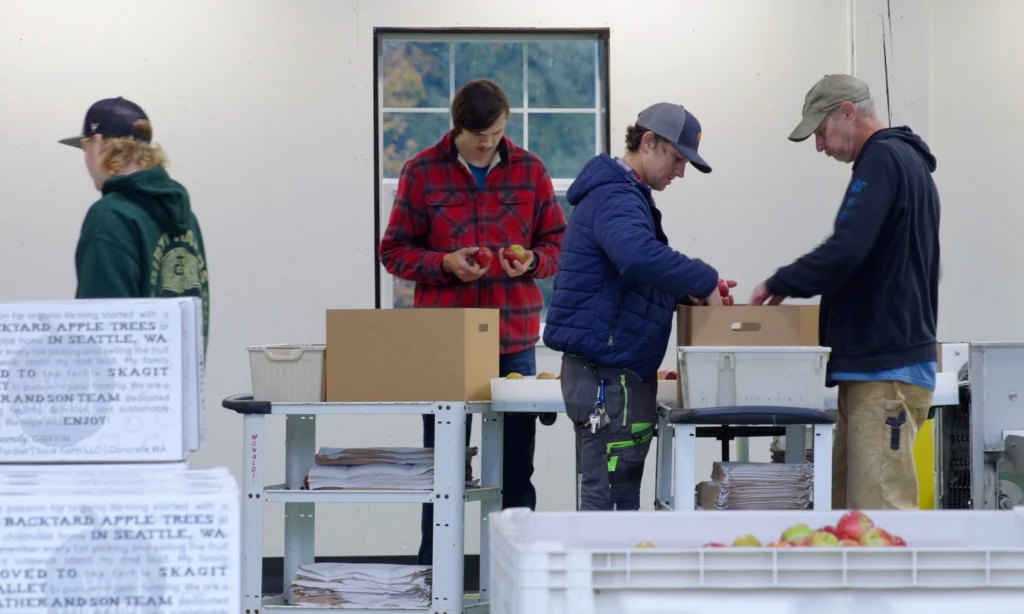
Over time, organic certification represents a bigger mission that unites your company. The more that all staff understand what organic means in the big picture, and also in the day-to-day details of their tasks, the better your operation will be at maintaining organic integrity. Handlers who strive to develop an organic culture where employees are trained and empowered to speak-up create a team atmosphere where everyone supports organic compliance. They do this through consistent values from the top down, effective training, daily communication, and focusing on improvement.