
What You'll Learn
- What qualifies as a nonretail container
- The two elements every nonretail container must display
- When organic identification is not required on the outer container
- What always remains required
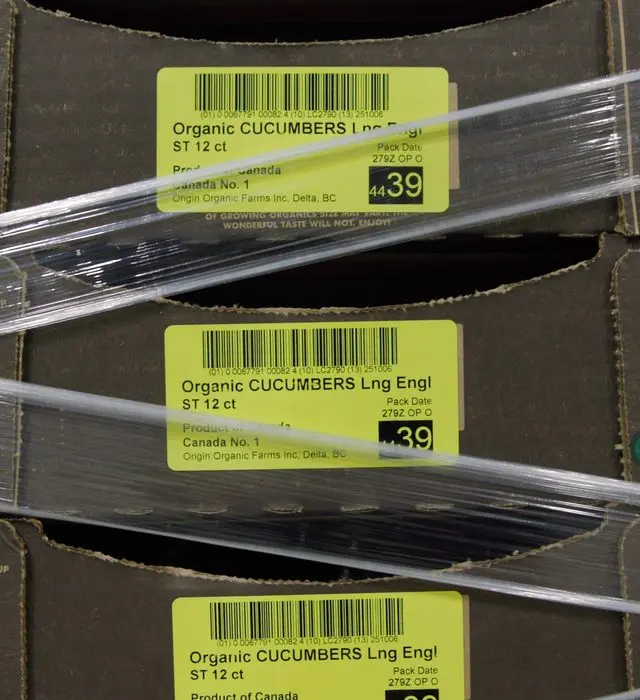
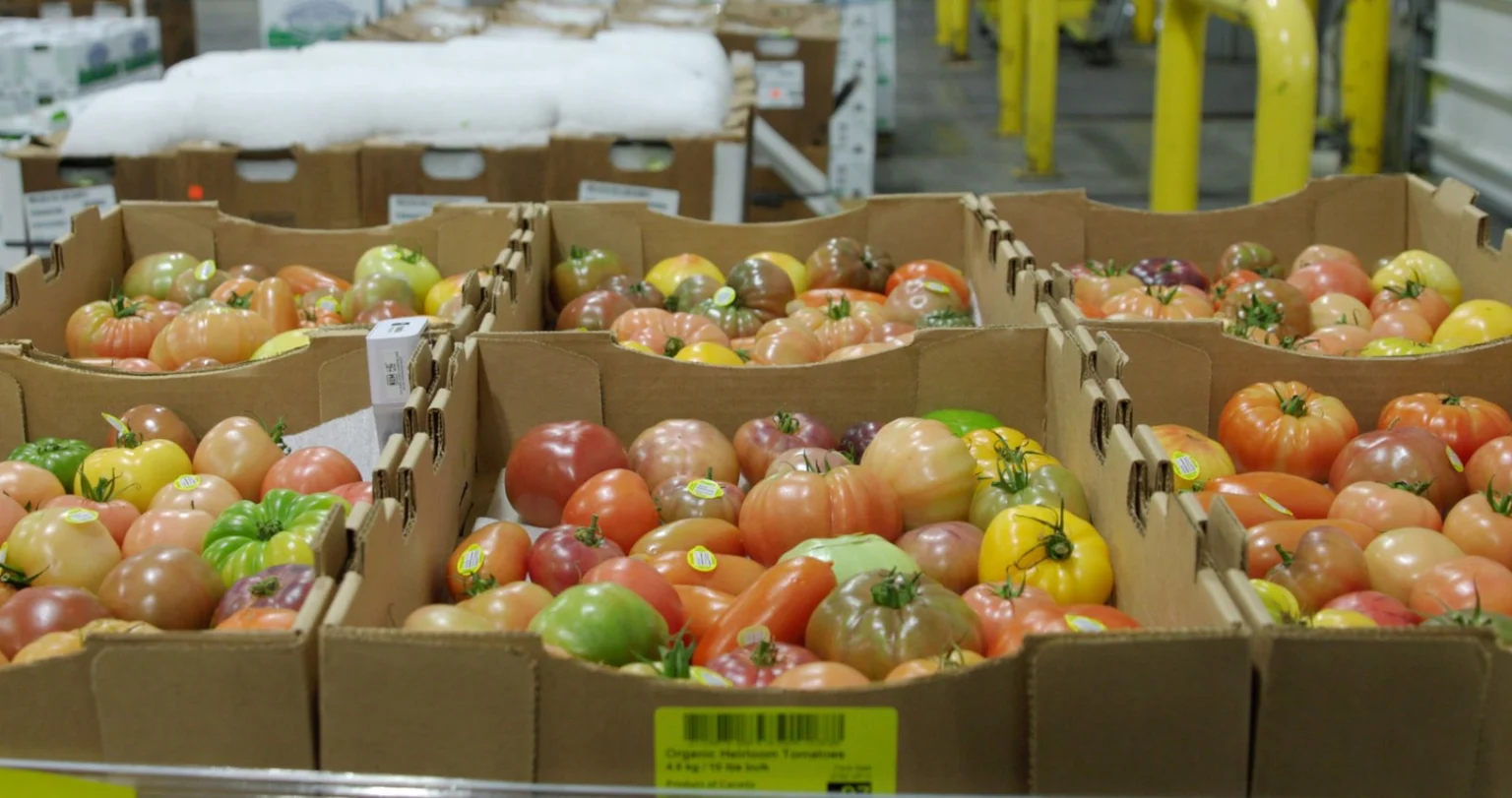
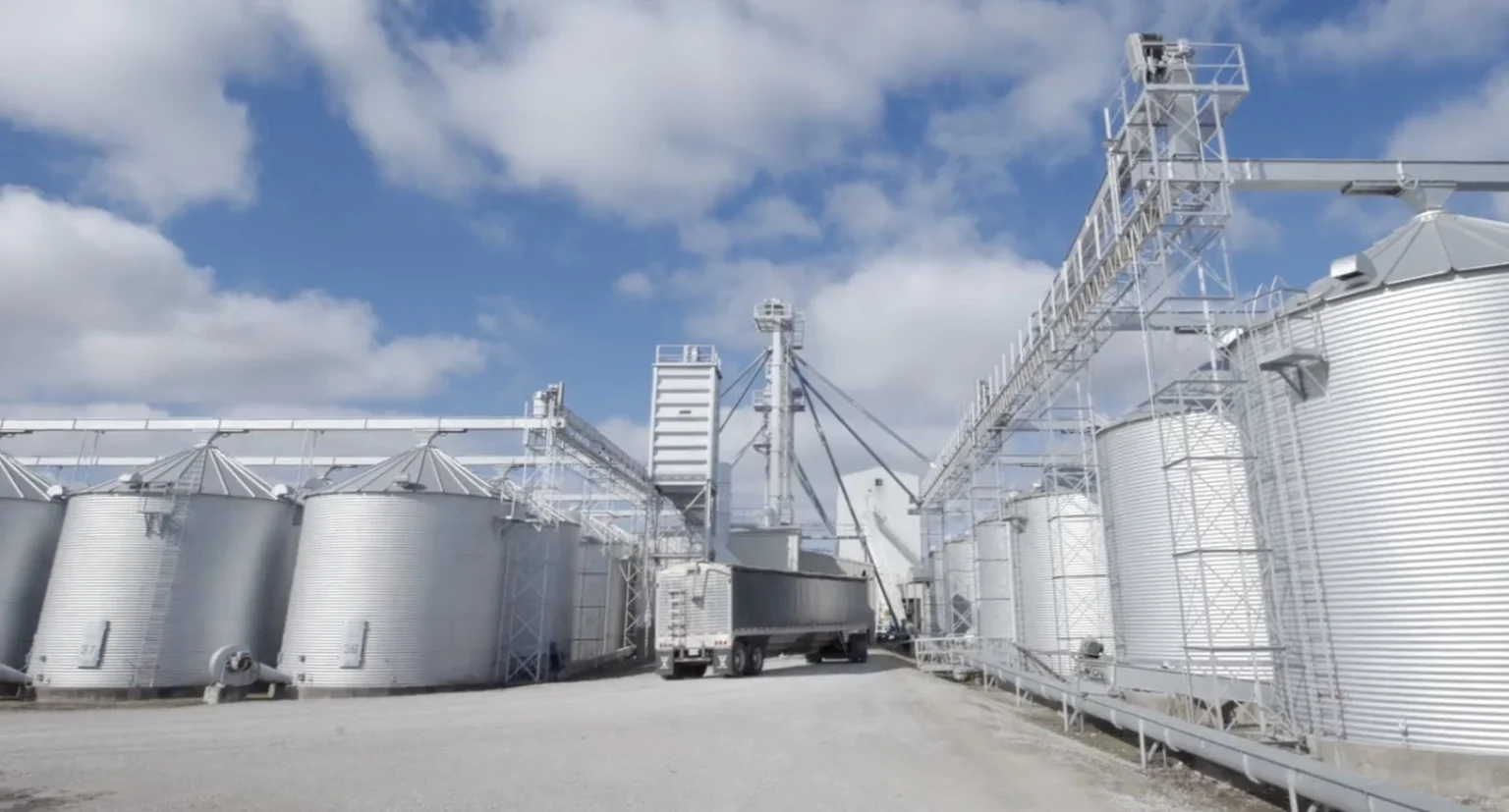
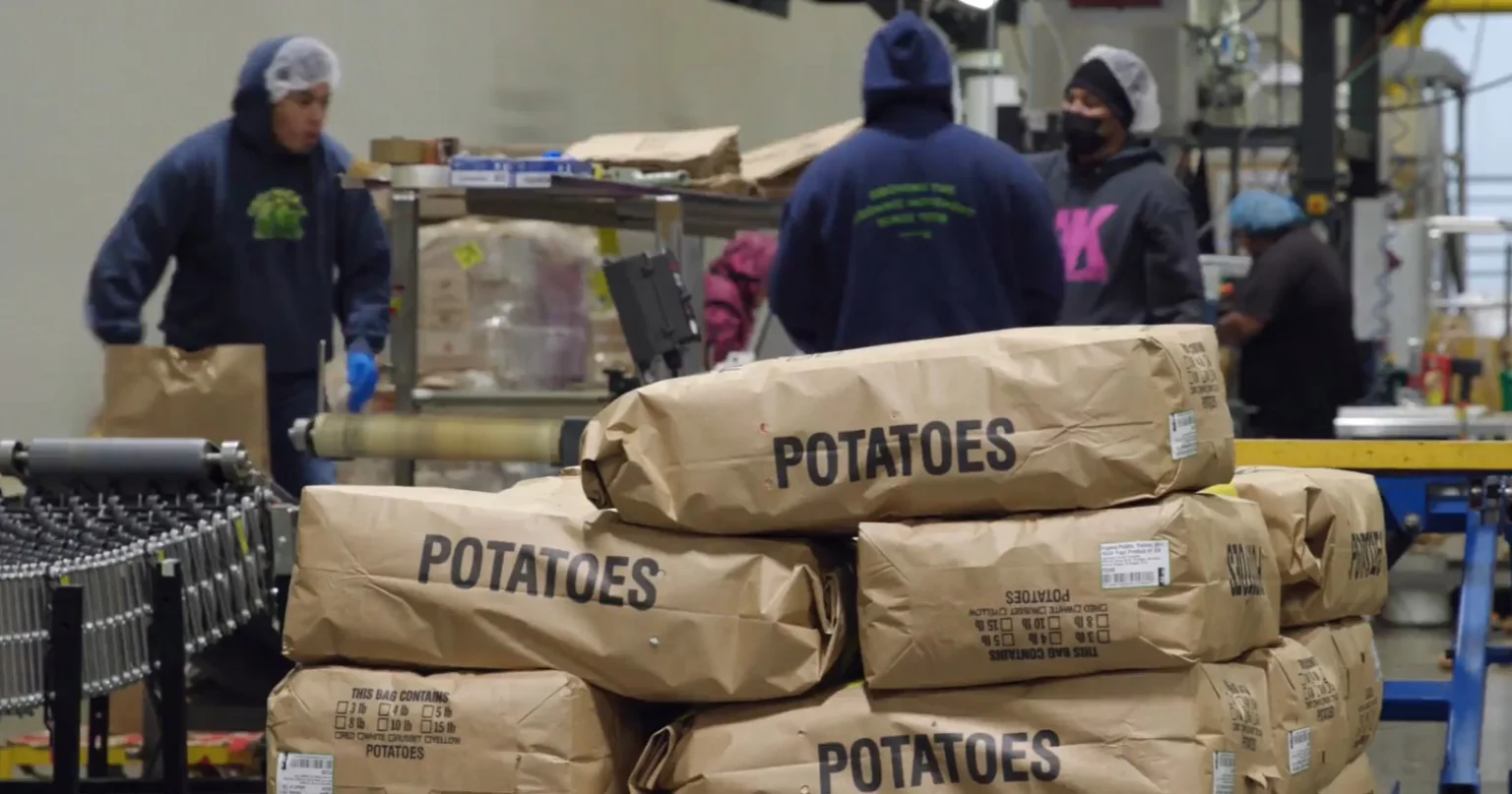
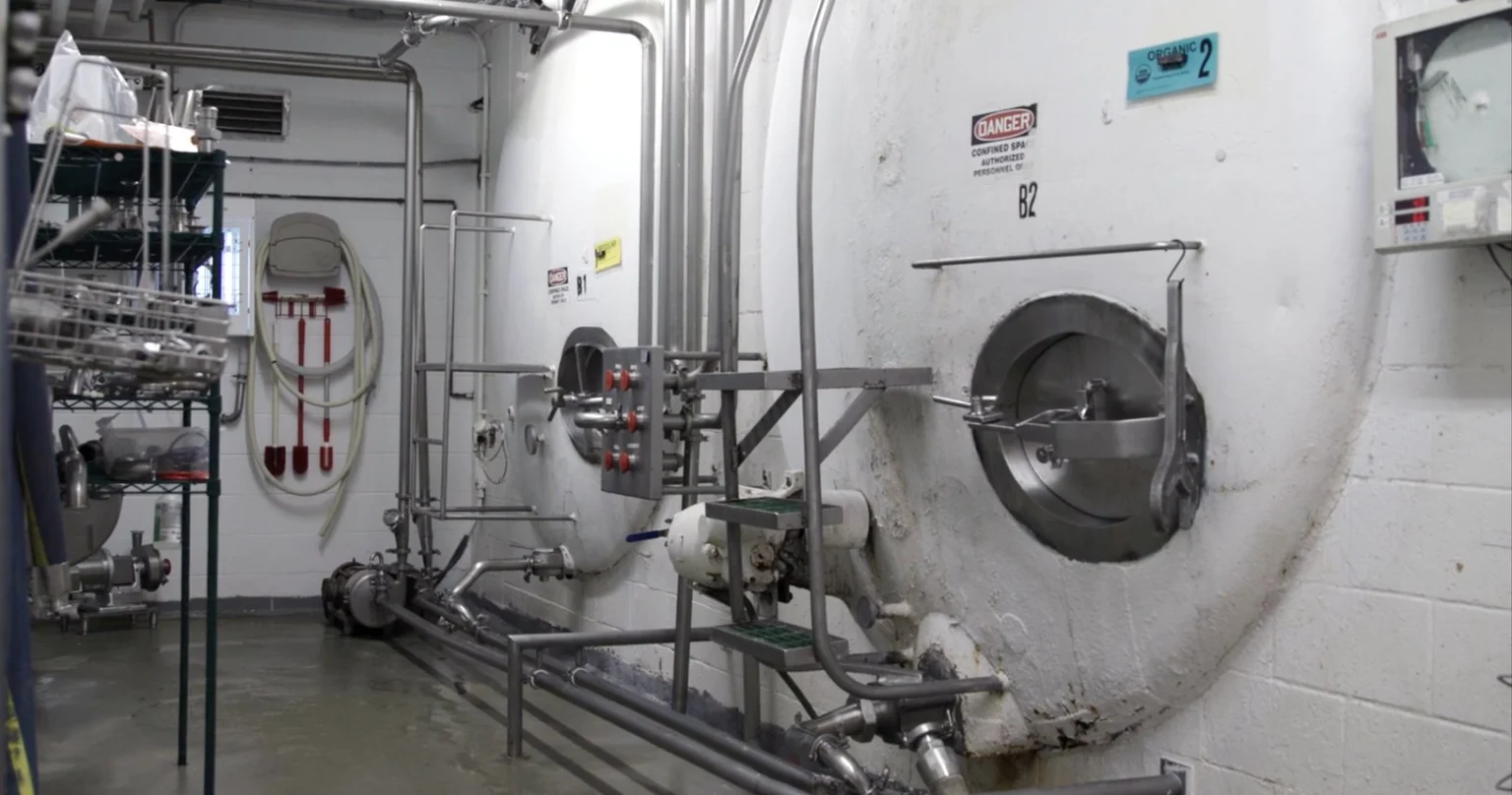
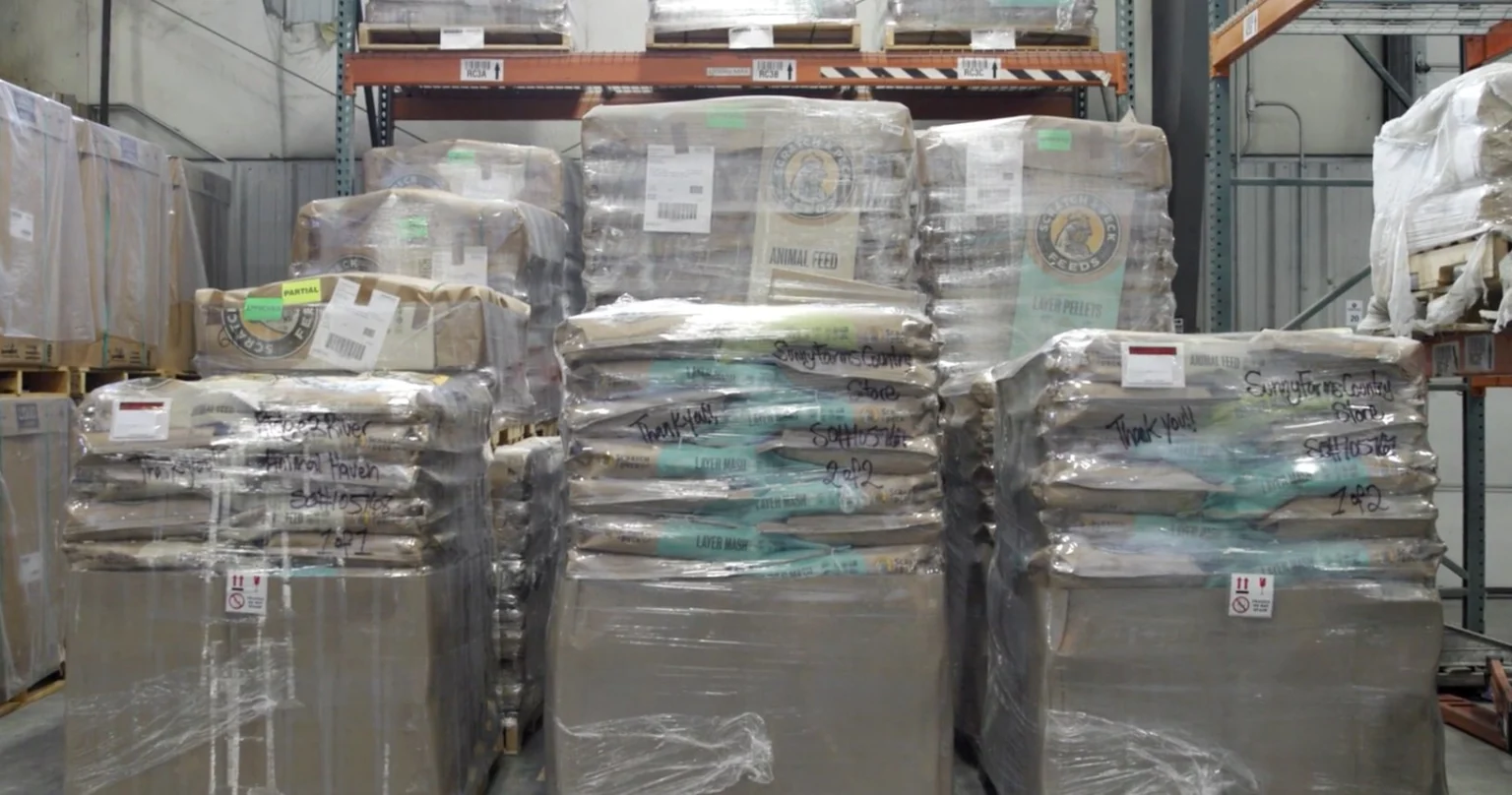
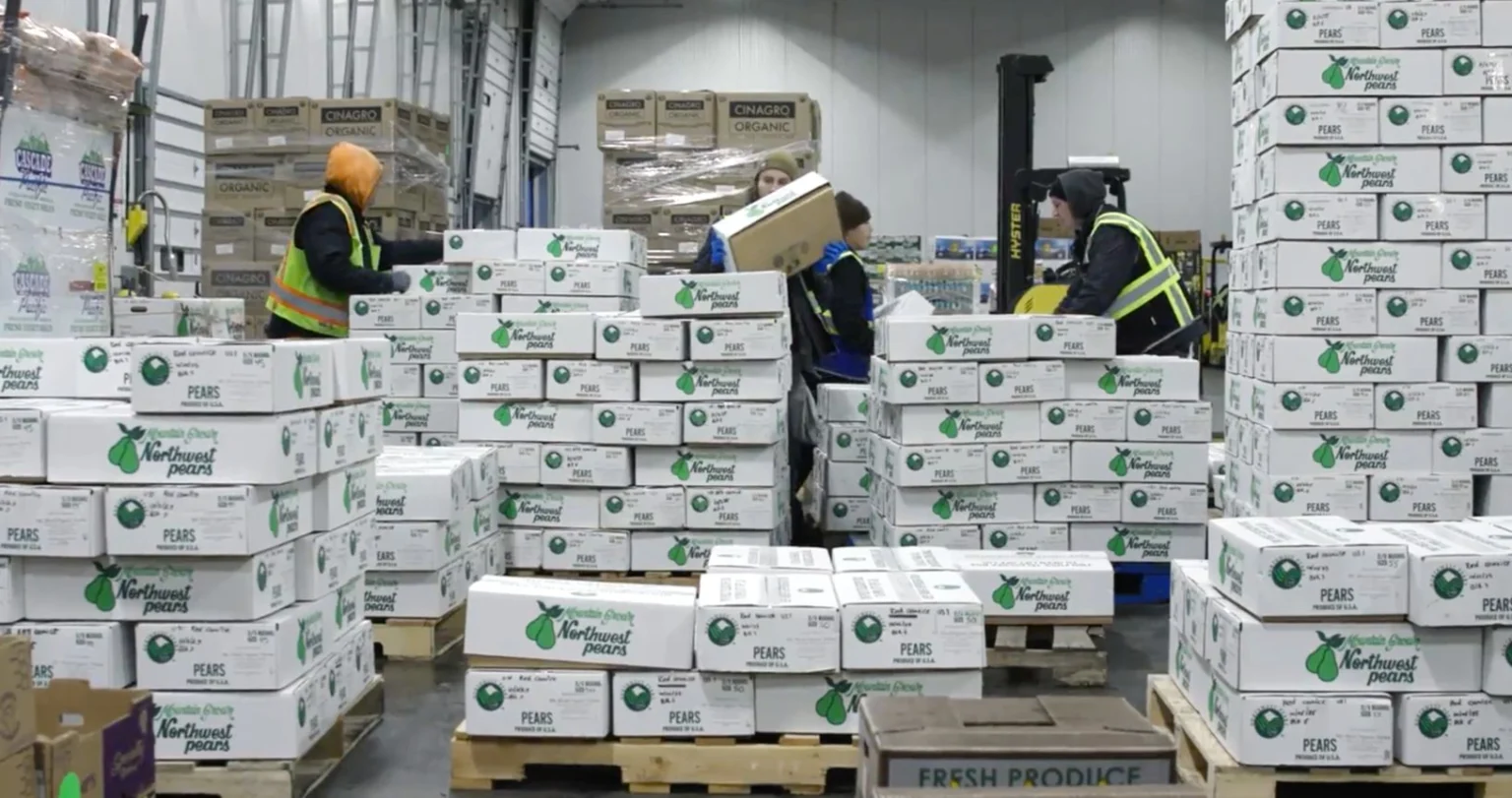
A nonretail container is anything used for shipping or storage of an organic product that is not used in the retail display or sale of the product.¹ The range of these containers is wide. Anything from corrugated cases, produce bins, bulk totes, harvest crates, trailers, tanker trucks, railcars, shipping containers, to grain elevators and silos are all nonretail containers.² Labeling requirements apply to every nonretail container you use, whether it’s holding bulk unpackaged product or individually packaged retail items, and whether it’s for shipment or storage.
Examples of Nonretail Containers
Required Elements for Nonretail Labeling
Every nonretail container used to ship or store certified organic agricultural products must display two elements:³
- Identification of the product as organic
- The production lot number, shipping identification, or other unique information that links the container to audit trail documentation
Organic Identification
The product must be identified as organic, but the manner of that identification can happen in multiple ways. The word “organic,” a clear abbreviation such as “OG” of “ORG”, and the USDA Organic seal are all acceptable ways to identify the organic status of the product. Temporary labels and signage are permitted, such as a placard zip-tied to a bulk tote or a notation on a Bill of Lading for a trailer load.2
For nonretail labeling … the main requirements are some kind of organic claim … It could be like OG or the whole term organic or certified organic … and then you also need a lot number on that.
Unique Identifier and Audit Trail Link
The product must also contain a unique identifier, and it must link back to your audit trail documentation in a way that an inspector can clearly identify the last certified operation that handled the product.³ A lot number, shipping ID, or purchase order number all qualify. What matters is that the identifier on the container matches a corresponding record, and that the record connects the product to a certified handler.
Exception When Retail Labels Are Visible
You are not required to include an organic identifier when a nonretail container holds retail-packaged products whose organic identification is clearly visible from outside the container.³ A case of individually packaged certified blueberries, where the USDA seal on each box can be seen through the case without opening it, does not need an additional “organic” marking on the outer case.
Conclusion
Two pieces of information on a box, tote, or trailer. That’s all it takes to keep the organic chain of custody intact from one handler to the next. The format is flexible, the implementation is manageable, and the benefit is clear. When every container in your supply chain is properly marked, your organic integrity is verifiable at every point, and you’re doing your part to make the whole system work for farmers, handlers, and consumers alike.