
What You'll Learn
- Requirements for pest control in an organic facility
- Practices for preventing and controlling pests in organic facilities
- What certifiers need for review and approval of pest control inputs and plans and how to work with your certifier on review
- Your responsibilities when working with a third-party pest management provider
If you’ve managed a food facility before, pest control is nothing new, but organic certification adds a layer of requirements that changes how you approach it. You can’t reach for a synthetic pesticide the moment you spot a problem. Instead, the regulations require you to work through a four-step hierarchy: prevent first, then try mechanical or physical controls or allowed lures and repellents, then consider other materials on the National List, and only as a last resort use a synthetic pesticide not on the List.1 And before you use anything new, your certifier needs to review and approve it.2,3,4 The good news is that the best organic pest management programs rarely get past step one, because when prevention is working, everything else is easier.
How to Think About Pests in Organic
The organic approach to handling and processing is to focus on promoting systems that prevent problems. This prevention-first approach is key to organic pest management.
You may already be familiar with Integrated Pest Management (IPM), which also prioritizes prevention over pesticide use.5 Organic pest control shares that philosophy, but goes further by requiring certifier review and approval of your methods and inputs before you use them.2,3,4
The Pest Management Approach for Organic Handlers
The organic regulations give clear instructions for pest management in handling facilities.1 In organic pest control you progress through steps, and at each step you aim to have prevented or stopped the pest problem so that harsher materials are not needed. The regulations describe these steps with letters A through D.1
Hierarchy of Pest Management Steps in Organic Handling
Step A: Prevention First7
The organic regulations require that organic handlers use management practices to prevent pests.7 It is much easier to prevent pests from moving in rather than dealing with them once they’ve arrived. And the fewer pest interventions needed, the less potential for contamination from pest management products. When you understand your target pests, you can identify where they might create problems in your facility and then manage them through preventative techniques.
There is a lot you can do through facility design to prevent pests. Below are some routine pest prevention tactics for organic facilities.
Identifying your target pests
You can’t monitor or prevent what you aren’t looking for. Speak with other handlers or a pest consultant to identify the likely pests that will be an issue at your facility. Then learn about the habitat and food sources that these pests prefer. The more you know about your target pests, the better you can avoid the conditions that attract them.
Removing habitat8
- Remove food sources by cleaning up spills of ingredients promptly, keeping employee food in sealed containers, and evaluating how and where food waste products are stored.
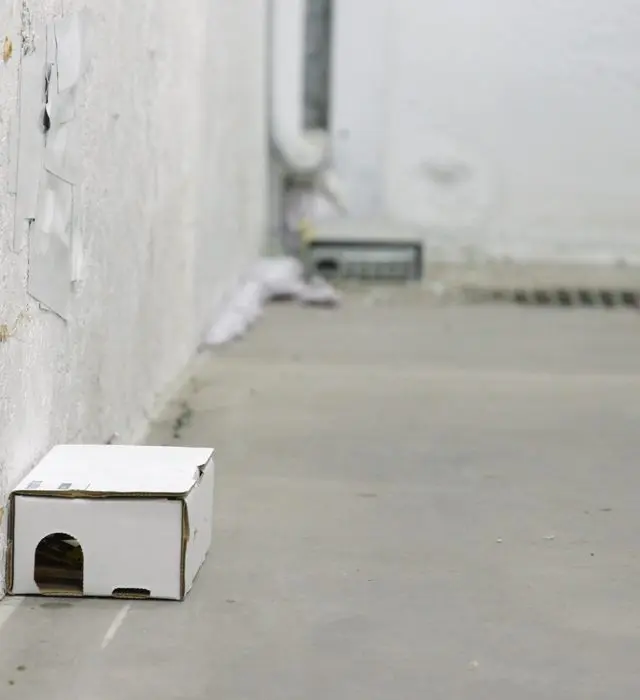
- In storage areas, keep items like pallets and bins at least 12 inches from the walls, and set rodent traps along the walls.
- Consider the outside of your facility and whether you are creating habitat for problem pests through storage of food waste products and any building or plant habitat that could harbor rodents, birds, or other target pests.
Preventing access
- Screen windows that remain open.8
- Make sure doors close properly and are kept closed to prevent pest access, which could include door sweeps to ensure doors seal completely.8
- For doorways that must remain open, consider air curtains that blow air down within an open doorway to prevent flying insect access from one area to another.
- Fix cracks in the building foundation and consider the sealing on your floors.
- Inspect incoming goods for pests.
Managing your facility’s environment
- Identify the environmental factors such as humidity and temperature levels your target pests prefer, and avoid them.
- Don’t allow standing water in your facility.
- Make sure gutter downspouts are functional and move water away from your facility.
- Good air flow can keep pests on the move, making it hard for them to congregate and breed.
Dumpsters
If your dumpsters sit near your loading dock and the dock door stays open for long periods, you might be inviting pests into your facility.
How an Air Curtain Works
Step B: Mechanical or Physical Controls9
Mechanical or physical control means keeping your facility pest-free using non-chemical devices like sounds or lights, or setting out traps to catch the first arrivals. Under Step B, you can also use chemical repellents to keep pests away, or lures to attract them and to boost the effectiveness of traps. But any chemical lures or repellents that you use must be nonsynthetic or consistent with the National List.
Organic handlers have several devices they can use to deter pests and trap them for monitoring. Common examples are:
Traps for rodents or insects
- Tin Cats are nonlethal rodent traps that mice can enter but not leave.
- Snap Traps baited with food can target rodents in tight areas. Be careful about the bait you choose; chemical baits will need to be carefully reviewed by your certifier prior to use.
- Glue Boards can catch rodents or certain insects in high traffic areas.
- Fly tape or strips are a common trap for flying insects.
Lights
- Insect Light Traps (ILT) attract flying insects with light and then trap them on glue boards.
- Bug Zappers kill flying insects with electricity.
Sounds
- Hawk recordings can deter roosting birds.
- Ultrasonic devices use high frequency sounds to repel pests, such as mice.
Lures and repellents
- These are allowed at this step but the chemicals in them must be consistent with the National List.
- Ammonium carbonate may be used as bait in insect traps only.10
- Pheromone lures can be used to monitor, trap, and disrupt the mating of certain insects.11
- Nonsynthetic essential oils may be used as repellents.
Step C: Materials Consistent With the National List12
Only if the management practices in steps A and B are not effective can an organic handler use a pest control substance that is nonsynthetic or on the National List (other than a lure or repellent).
There are just a few pest control substances that are on the National List. Common materials are vitamin D3 as a rodenticide, and boric acid for insect control.13,14 As always, make sure your OSP is up to date and confirm approval for any new substance with your certifier prior to use, even though they are on the National List.
Step D: Materials Not on the National List4
If prevention and pesticides on the National List are not effective, only then can you proceed to using a synthetic substance not on the National List, as a last resort.
Your certifier needs to agree on the substance, method of application, and measures to be taken to prevent contact between the pest control substance and organically produced products or ingredients before use.4 This applies only to pest control inputs used in the areas of the facility where organic handling occurs, not the facility exterior or non-handling areas like break rooms or bathrooms. Examples include most pesticides, such as synthetic rodent baits and most insecticides.
Communicating with Your Certifier About Pest Management
Your OSP
Your organic system plan (OSP) is your main certification document, the written description of how you operate. It’s not a one-time filing; you update it whenever your practices change, including any changes to your pest management approach. The regulations say that your OSP must describe all practices that you use in your handling of organic products, including pest management practices, your recordkeeping system, and how you prevent contamination of organic ingredients, products, and packaging.3 Your certifier will review your OSP to confirm it complies with the organic regulations and your inspector will compare the practices described in your OSP with what they observe is happening onsite.15,16
Materials
You’ll need to submit a list of all pest control products to your certifier, including where and how they will be used.3 You might also need to submit the product label and other documents needed to determine the material’s source and ingredients.3 Your certifier will review these supporting documents to determine if, where, and how you may use the pest control substance. The National List does include certain synthetic pesticides, but they have restrictions on their use.6 So even if a product is allowed, you must first check with your certifier to determine how the restrictions apply to you.
Risk Management
Your certifier will review your plans to ensure that your pest management actions do not contaminate your organic ingredients or products.1 The method of application, or how, when, and where you plan to use the substance, makes a big difference in the level of contamination risk.
Here are some examples of how your certifier sees the risk of contamination with different pest control methods:
- Bait stations: If the bait stations are anchored and locked to prevent access by non-target animals, and the bait is secured on rods inside the bait station, then the pest control substance should be stationary, and risk of contamination from the bait is lower. Location is also important. Your plan for preventing contact of the pesticide with organic products may also include strategically NOT placing the bait stations near organic products. At some organic facilities, for example, bait stations are only placed around the exterior perimeter or in non-food production or storage areas such as an employee breakroom.
- Backpack sprayer: If a pest control substance is sprayed, like a crack and crevice spray for insects, there is inherently a higher risk of the product traveling farther than if it were contained inside a bait station. You will need to consider where the spray will be used and where organic ingredients, products, and packaging are stored before application, to avoid contamination.
- Fogging: Fogging sprays a fine mist of pesticide throughout an area. If fogging is needed, all organic ingredients, products, packaging, etc. will need to be moved out of the area. After fogging, you’ll likely need to clean the space before moving any organic products or ingredients back in, to prevent contamination from any pesticide residue.
- Packaging: Contamination can occur if packaging material, like a bag or container, comes in contact with a prohibited substance and then touches organic products. But cleaning many types of packaging is difficult and impractical. Always consider and prevent contamination to your packaging when managing pests.17
- Location: Where you plan to use pest control materials will have an impact on how your certifier sees contamination risk. Interior or exterior, production areas, storage areas, break rooms, and the area around the dumpster all carry varying levels of contamination risk.
Monitoring for Pests
Monitoring is not included in steps A–D, and that’s because it happens first. Your organic system plan must include “a description of the monitoring practices and procedures to be performed.”3 In addition to being required in your OSP, monitoring for pest activity is also critical in organic pest management. You want to intervene early to avoid a pest outbreak, especially since you have more limited options in organic control. Think of monitoring as your early warning system. Catching a problem early gives you more options, which matters all the more in organic pest management, where those options are limited.
Routine pest monitoring activities for organic handlers include regular walk throughs of your facility. Look for pest activity, such as chewed containers or pests caught in monitoring traps. Check for pest attractants like spilled ingredients, leftover employee lunch, pallets pushed next to walls, or standing water. Non-production areas can provide pest habitat, too. These are places like your employee break room, restrooms, or dumpster areas.
Monitoring traps are an excellent way to gauge pest activity early. Placing glue boards, Insect Light Traps (ILTs), and rodent monitoring traps at key locations provides you with early warning of pest incursions into the facility.
The placement of these tools and the frequency that you check them will influence how effective they are as monitoring tools. You will also record all your monitoring activities, since keeping records of monitoring activities is essential to identify any increase in pest activity, and because records are also required by the organic standards.15
Keeping Pest Control Records
Your pest management is only as strong as the records behind it. Your OSP describes your plans, and your logs show what actually happened, so your inspector can compare the two.15,16
Which records you keep depends on your operation, but usually cover the following for pest control:
- Who does the monitoring and control, whether in-house, a contractor, or both
- The pest problems you encounter
- A facility map showing where traps and other non-chemical pest control devices or monitors sit
- Certifier approval for the materials you use
- Your monitoring and prevention procedures, usually written as SOPs
- How you keep pest control products from contaminating organic product and packaging
- Where pest control materials are stored
Monitoring logs record how often you check for pests and what you find, which is what you rely on to justify any escalation beyond prevention. Day-to-day logs record the preventive practices and control activities you carry out, the materials used, and where. Training logs record when staff were trained on the procedures. If your certifier approves something like fogging, you also log moving organic product out of the area, cleaning afterward, and moving product back in.
Working with Third-Party Pest Control Providers
Everyone who will interact with pest monitoring and control should understand your pest control procedures and know that certifiers must review and approve any changes to procedures or inputs used. They should also understand their role in keeping pest management records.
Many organic handlers prefer to contract with pest control companies. If you do, your company is ultimately responsible for what the pest control provider does. If your contractor uses a prohibited substance, even if you told them not to, or keeps poor records, you are still responsible. Your certification, not theirs, is what’s at risk.
Most organic handlers prefer to work with companies that already understand organic pest control requirements, or are at least willing to learn. Pest contractors need to know that they cannot use new pest products before you obtain approval from your certifier. For any last-resort (Step D) pesticides, your certifier must pre-approve three things: the specific product, how it will be applied, and how you’ll prevent it from contacting organic products or ingredients.4 Make sure your contractor knows this before they do anything. Your pest control provider cannot provide approval for the use of any product, even if another organic client of theirs uses it; only your certifier can give approval.
You are required to provide records of all pest control activities, including those conducted by a third-party contractor.15 If your pest control provider creates these records, you will be responsible for having the records available during your on-site inspection.15 Your inspector will review the records for completeness and to confirm the inputs and application methods used match the pest control plan in your OSP.15,16
Because you are ultimately responsible for those records, treat a contractor’s paperwork as your own. Review the recordkeeping templates they use and make sure they capture what your system needs, check their logs regularly to confirm they are being completed, and audit them yourself. Is their facility map accurate and does it show every trap location? Are the materials they are using all on the approved list your certifier has on file? Anything a contractor wants to use in your facility, whether the pest management company suggests it or you ask for it, must be approved by your certifier and be added to your materials list.3
Conclusion
Organic pest management asks you to think differently, not just about which products to use, but about the conditions that lead to pests in the first place. When prevention is your first defense, you are running a facility that protects your products, your certification, and the trust your customers place in the organic label. Keep your OSP current, stay in close communication with your certifier before making any changes, and make sure everyone who touches pest management understands the rules. When your inspector walks through the door, you will be ready for what they find.